At a time when consumers are bombarded with content yet starved for connection, the challenge for brands isn’t what to say. It’s how to say it in a way that feels real, authentic, and deeply human.
Today’s audiences crave something deeper than relevance. They want resonance. They want to feel seen, understood, and part of the story—to share their own experiences in ways that matter.
In an age of constant noise, this is where storytelling really shines. Stories move us. They make us feel like we belong, and they build trust and drive action. At MERGE, we deliver on storytelling through technology to transform fragmented messages into meaningful narratives that strengthen connections between companies and consumers.
We know the right combination of creativity, data, and human insight can transform brand interactions into meaningful experiences. That’s what we explored at Built 2025, in our session “The Story That Sticks: Personalization That Builds Brand Loyalty.”
Three panelists—Marissa Buckley, Johnny Luu, and Brian Brooker—joined me onstage to share how brands can earn attention, build credibility, and create lasting emotional connection in a digital world.
Their stories revealed a clear throughline: when we combine data, creativity, and human insight, we move from chaos to connection.
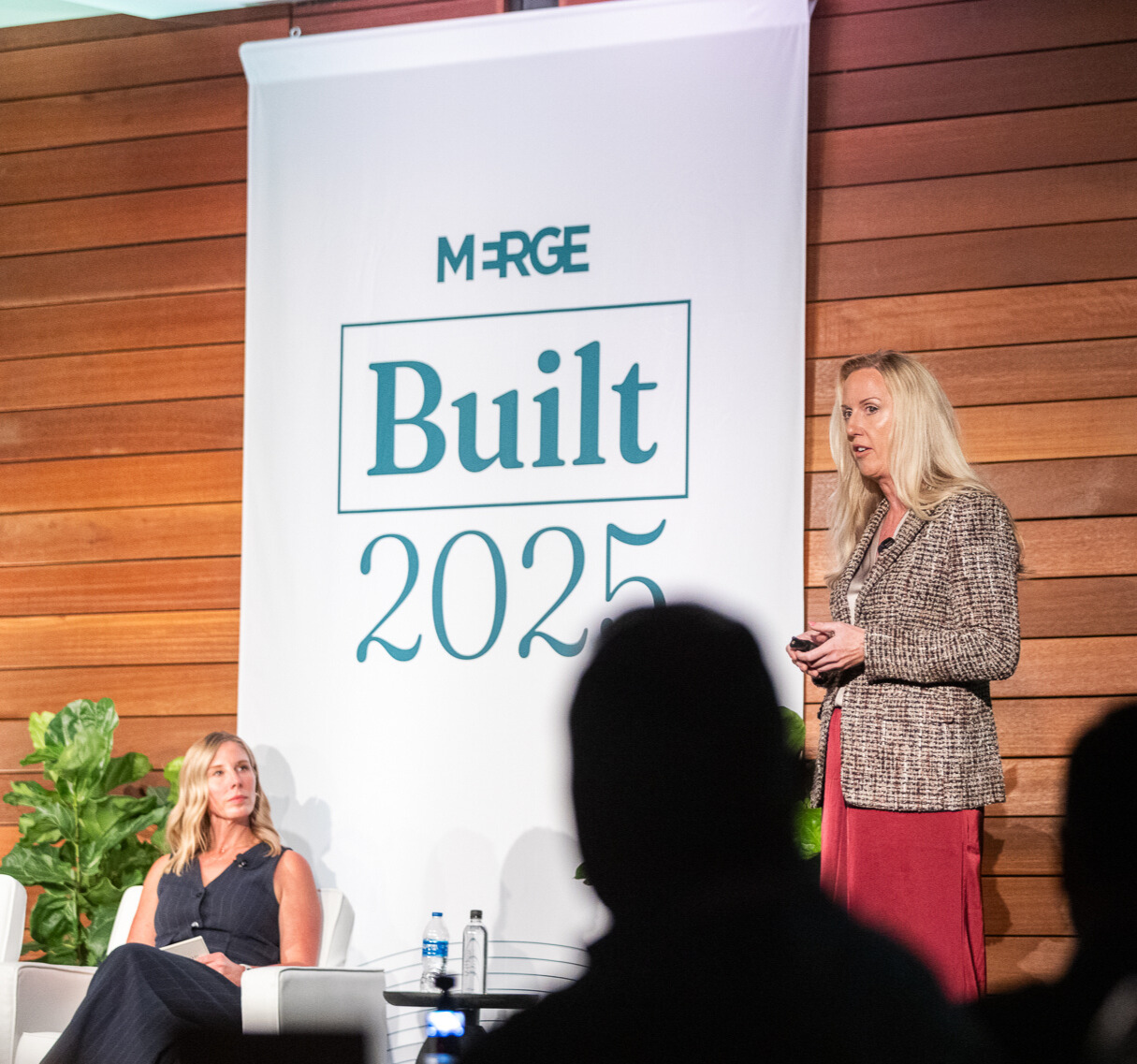
Earning attention with relevant, human-centered technology
Insurance might be the last place you’d expect to find emotional storytelling, yet that’s exactly where Marissa started. Her Florida-based insurance company set out to revolutionize one of the least-loved industries and change how people think about and interact with their insurer.
They launched a mobile app designed not to promote policies, but to serve people. The result? Portal usage jumped from 30% to 76%, and over 100,000 non-customers downloaded the app.
- Data: The app integrated credible weather data and GPS updates to help homeowners track hurricanes in real time—empowering them to share their status (I’m safe, I’ve evacuated) with friends and family.
- Creativity: Instead of broadcasting alerts, the app solved a human problem. It helped transform anxiety and isolation into reassurance and action. A routine product became a lifeline.
- Insight: In moments of crisis, people don’t want marketing. They want meaning and connection. They want to tell their own stories.
Marissa summed it up perfectly: “Technology should be a bridge, not a megaphone.” That bridge, grounded in empathy and relevance, is what earns attention in a world of endless noise.
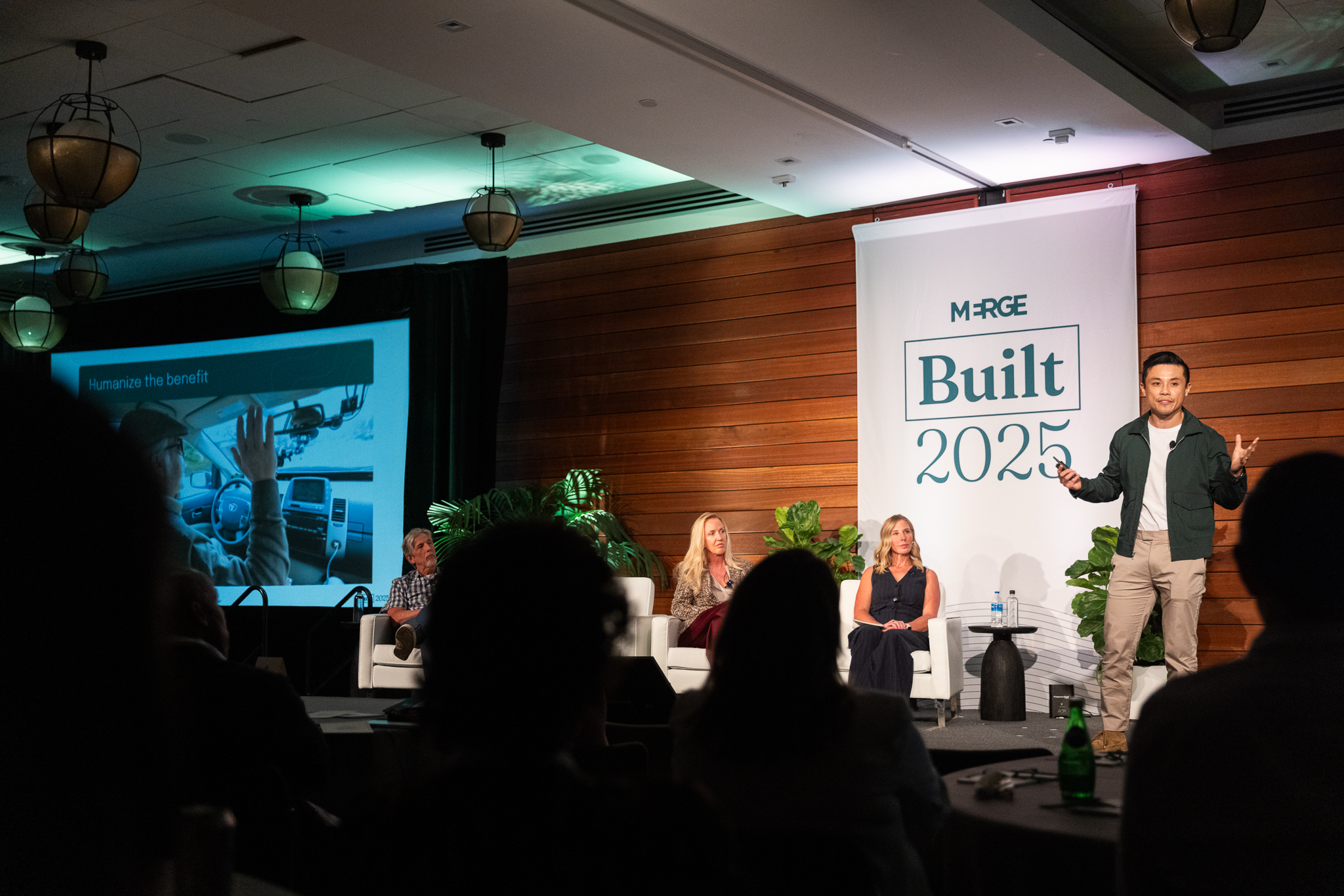
Building trust through transparency, credibility, and consistency
If Marissa showed how to earn attention, Johnny demonstrated how to keep it—by building trust in something entirely new.
As a leader at Waymo, he faced a daunting question: How do you convince people to trust a car with no driver?
Johnny offered a masterclass in how to make innovation feel safe, credible, and human.
- Data: Every year, 35,000 lives are lost in car accidents in the U.S., which is the equivalent of a 747 airplane crashing every weekday of every week. In healthcare, we’d call this an epidemic. Yet, people didn’t see driving as a public health crisis.
- Creativity: Waymo realized that testing autonomous vehicles in neighborhoods made the innovation deeply personal for that community. They reframed the conversation, turning curiosity and concern into moments of engagement by inviting local fire and police departments to run drills, answering parents’ safety questions, and showing how the cars recognized sirens, customers, and stray soccer balls.
- Insight: People didn’t see driving as a problem. So, Waymo shifted the story from technology to freedom and independence. They reoriented themselves to their mission of making people’s lives better.
Johnny’s message was clear: “Trust isn’t something you declare—it’s something you build, interaction by interaction.”
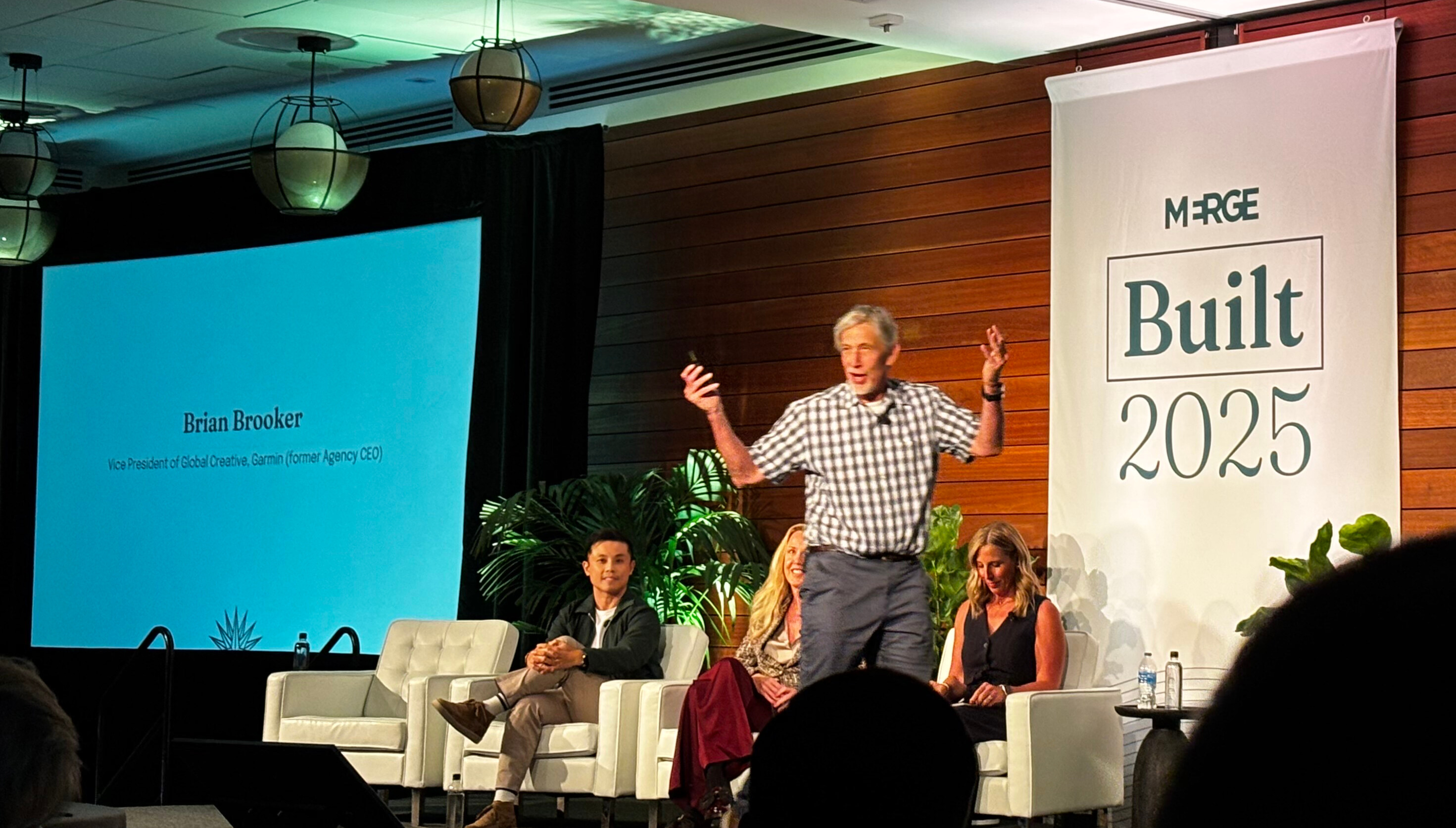
Creating emotional connection by leveraging insights that resonate
Brian from Garmin brought it home by showing how stories rooted in authentic human insight can turn everyday moments into meaning.
By leading with vulnerability, Garmin built emotional connection and community with its customers. It showed that they do more than measure performance. They understand the humanity behind it.
- Data: Garmin has endless behavioral data about runners, golfers, and fitness enthusiasts—from mileage and pace, to heart rate and swing analytics, to their preferences and buying habits.
- Creativity: The challenge was reframing how people felt about movement and fitness. Running and golf can easily become symbols of drudgery, discipline, and frustration. Brian’s team shifted the stories from perfection to progress, and from competition to connection.
- Insight: We cannot understate the importance of authenticity. People connect more with missed putts, shared laughter, and real human stories than professional athletes’ highlight reels. That’s why
Garmin featured a couple who met and fell in love in a running club, and another runner who relished exploring her city through new routes.
Ultimately, as Brian put it, “If you want people to move, you need to know what moves people.”
Whole Human Marketing: Where we go next
When data, creativity, and human insight converge, brands stop interrupting people’s lives and start enriching them. This is the meaning behind storytelling through technology. It’s the ability to create an emotional connection at the heart of a meaningful human insight—and use technology to make that connection real, personal, and memorable.
Balancing humanity and innovation or emotion and technology is what Stephanie Trunzo described in her Built keynote as Whole Human Marketing. It’s the art of using data and AI to transform real-time insights into meaningful experiences that feel personal, intuitive, and deeply human.
At Built, you could feel this theme everywhere: in the energy of the room, in the stories shared, and in the conversations between leaders reflecting on their own brands.
The throughline of this conversation extends far beyond the Built stage. It’s simple, but transformative
- Start with empathy.
- Earn trust through transparency.
- Anchor in authenticity.
- Use technology as an amplifier.
Because in a world of algorithmic sameness, connection is your true competitive advantage. That’s the promise of storytelling through technology, and the practice of Whole Human Marketing.
.jpeg?h=3024&iar=0&w=4032&hash=8FC706E2D4B499C10E7B9E8B5F4F9B6E)


