We’re all becoming more sophisticated health consumers using technology to track, improve, and understand our well-being. The invention and adoption of these solutions continues to rise—but not all digital health and wellness experiences are created equal.
To discover what enables these technologies to deliver lasting impact, MERGE conducted a study to fully understand the attitudes, perceptions, and of the health and wellness consumer. This post discusses seven key insights and opportunities from the research, giving you a unique, data-driven perspective on the role digital health technologies play in health, wellness, and personal transformation.
1. Health is a journey
People who engage with their health and wellness as an ongoing journey are much more likely to be proactive, to use multiple digital health technologies, and to report positive results. Tapping into self-perception and self-identity are crucial keys to reaching consumers.
- Key Finding: 64% of respondents describe themselves as being “on a journey of personal transformation.”
- Opportunity: For ongoing usage, brands must help consumers align these tools with their personal purpose, values, or life goals.
2. Trust is foundational
The perception is often that consumers don’t trust health insurers, employers, and even providers—but we found significant appetite for digital health technologies that are prescribed, recommended, and incentivized by all of the players in the healthcare ecosystem.
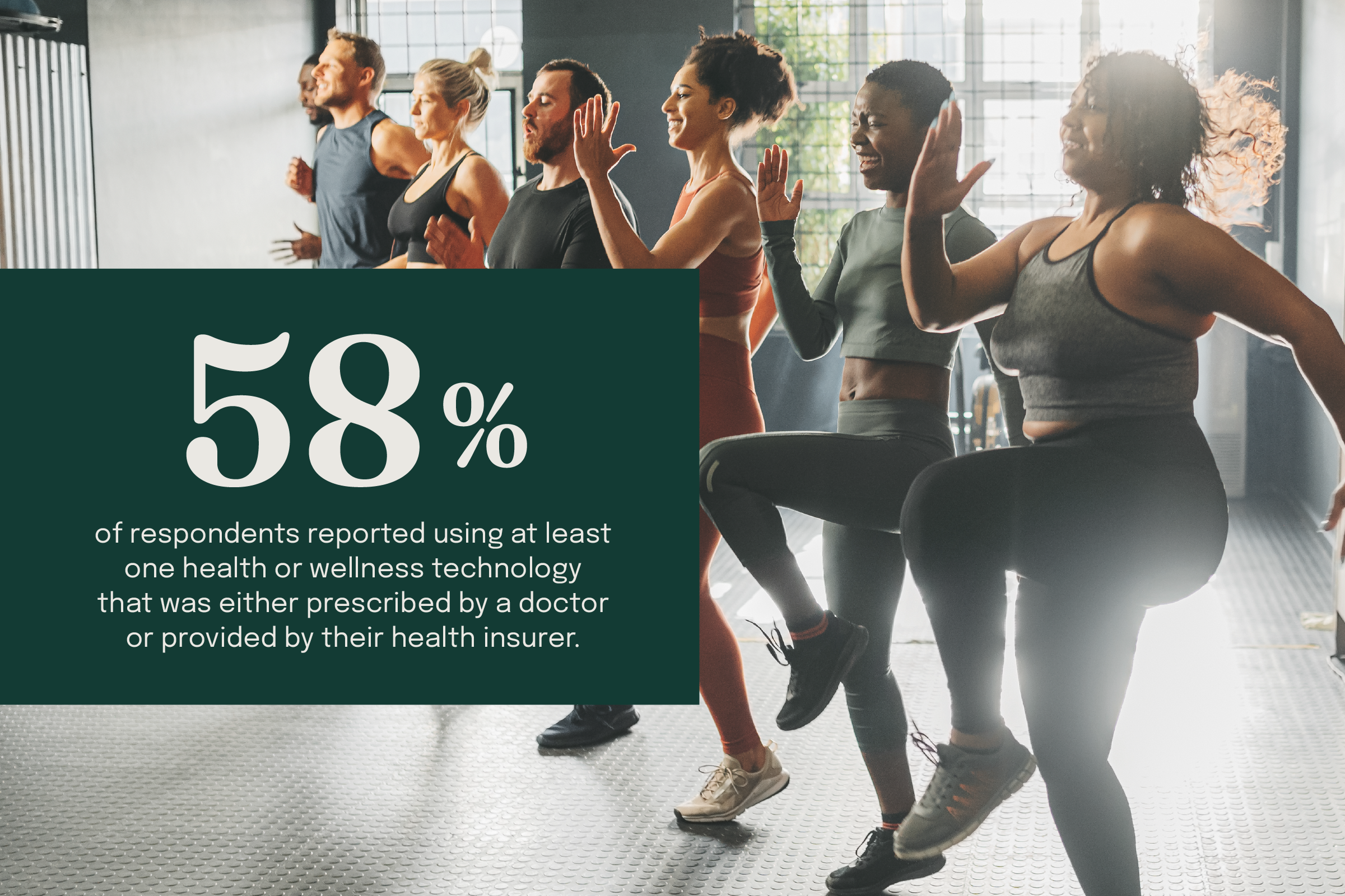
- Key finding: 58% of respondents reported using at least one health or wellness technology that was either prescribed by a doctor or provided by their health insurer.
- Opportunity: Brands must strengthen clinical credibility through transparent outcomes or research-backed claims, reinforce trust-building measures, and collaborate with insurers or providers where possible for endorsement.
3. Experience is essential for engagement
A poorly designed experience is one of the biggest contributors to early abandonment of digital health and wellness technologies—and it can erode trust.
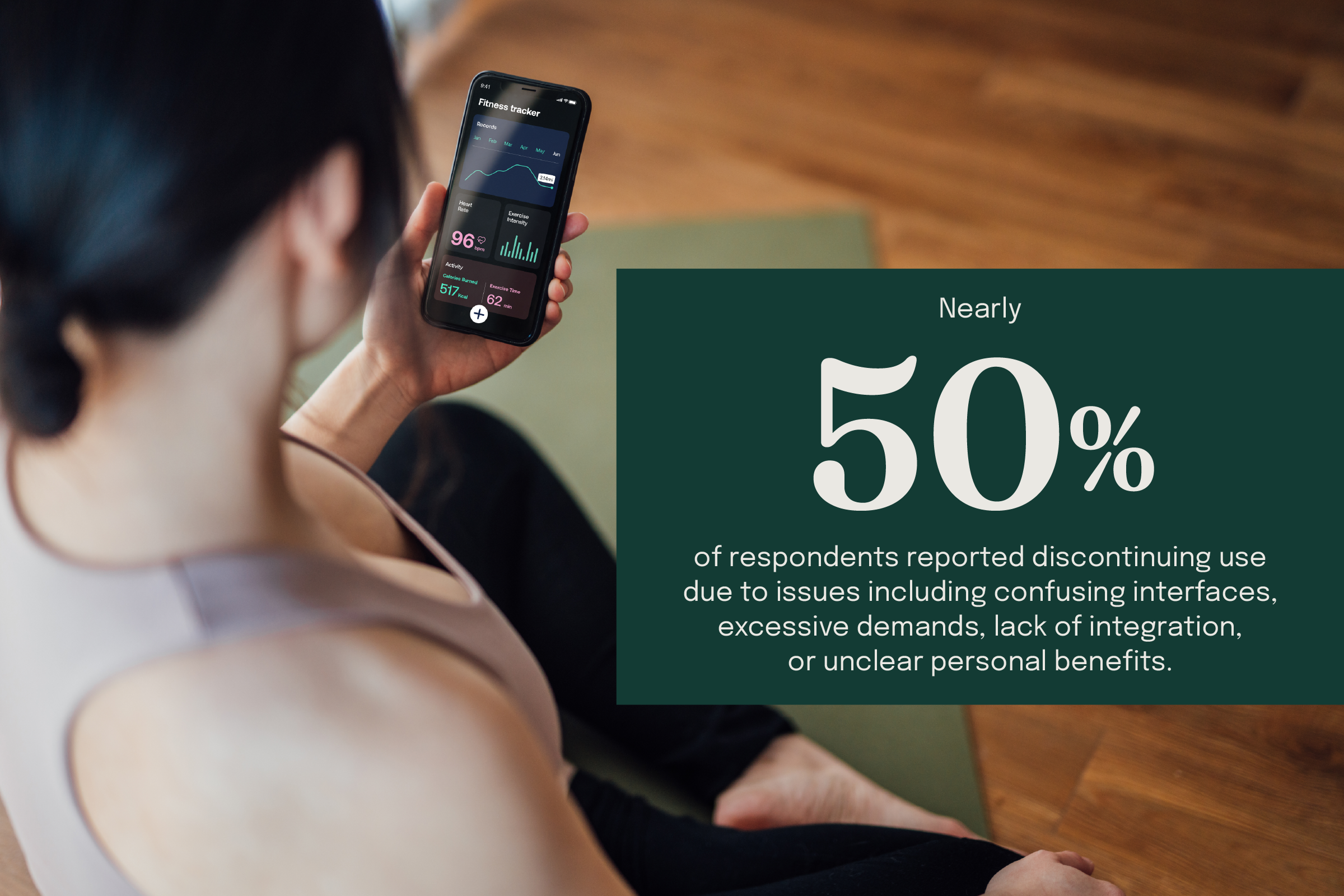
- Key finding: Nearly 50% of respondents reported discontinuing use due to issues including confusing interfaces, excessive demands, lack of integration, or unclear personal benefits.
- Opportunity: Support habit formation by creating nudges and reinforcements that help users fit these technologies into their everyday lives—reducing early abandonment. We saw evidence of a “Goldilocks problem” with these experiences.
Brands need to ensure their tools are able to adapt to what the consumer prefers. For example, people want notifications. Too many alerts become annoying, and too few don't support behavior change.
They want their notifications, incentives, and gamification to be just right.
4. Personalization is a powerhouse for behavior change
Underscoring the “Goldilocks problem,” we saw a potent need for and customization of these experiences.
- Key finding: If a digital health experience is successful, the user will not be the same person on Day 1 as they are on Day 365—yet that’s how they’re often treated. Experiences that evolve and grow with their users are crucial for lasting engagement.
- Opportunity: Rather than relying solely on passive data, brands need to empower individuals to share meaningful input about their health goals, emotional states, and life circumstances, in addition to behavioral data.This sets the foundation for more human, responsive personalization and builds trust through transparency and participation.
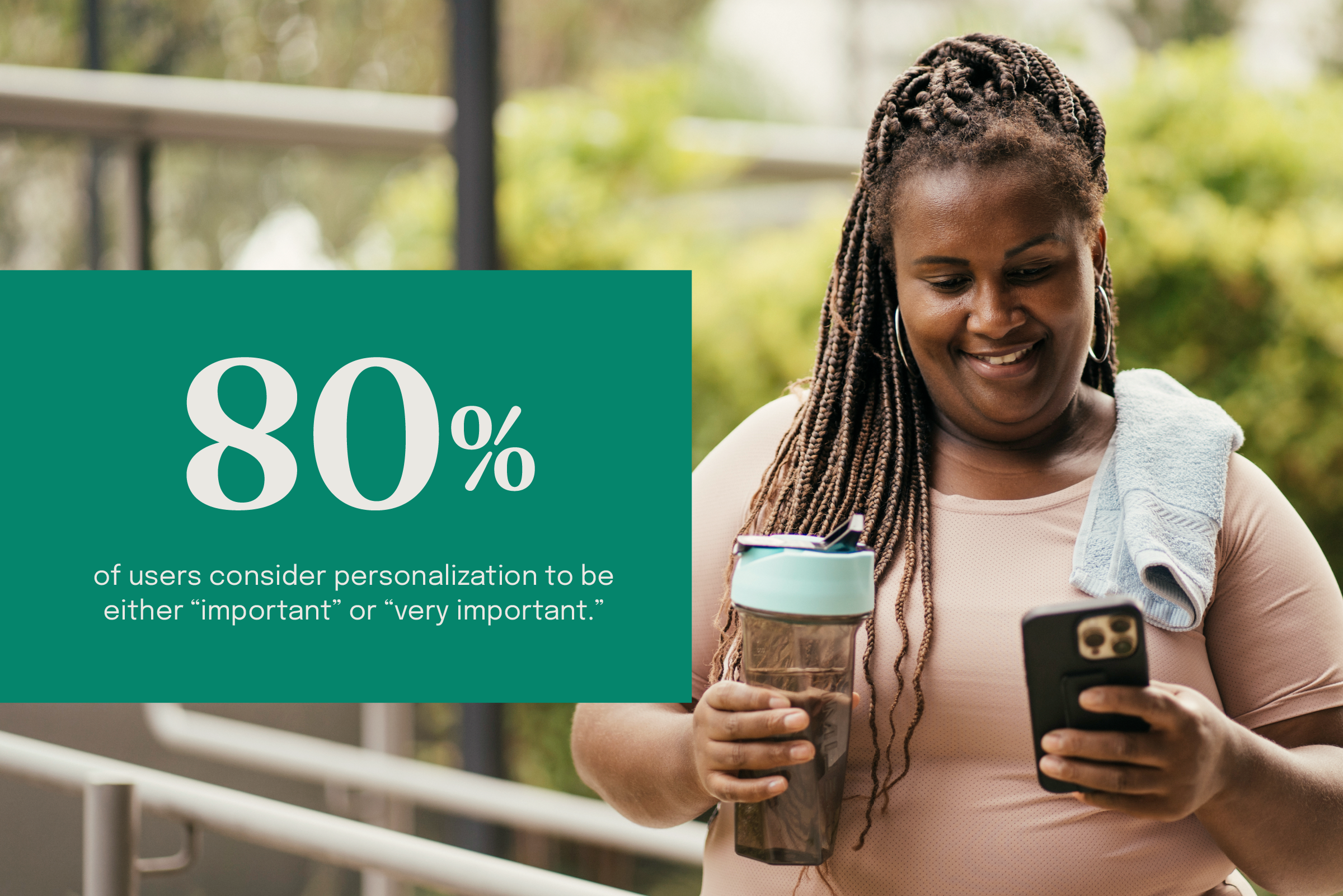
- Statistic: 80% of users consider personalization to be either “important” or “very important.”
5. Financial wellness is closely related to health
When talking about wellness, nearly a third of people state their financial wellness is closely tied to their physical and mental health. At the end of the day, financial stability shapes behaviors, attitudes, access to care, and consequently, overall well-being. It’s more than just dollars and cents.
- Key insight: While income levels did factor into a person’s usage of these tools, more important is how “in control of [their] financial future” respondents felt, as well as how significantly they prioritize their financial wellness.
- Opportunity: Brands that authentically position financial wellness as a health enabler can earn customer trust and long-term engagement.
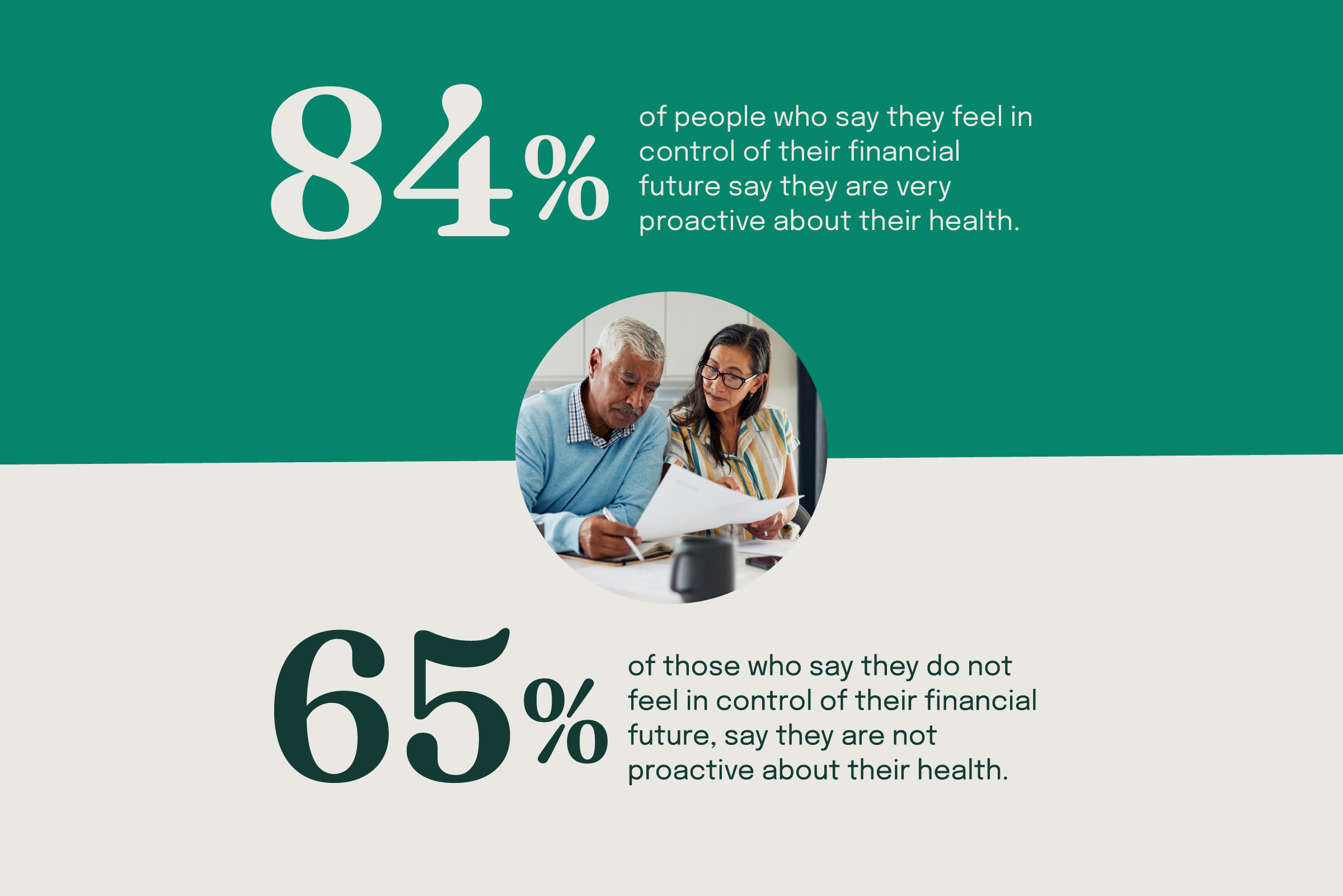
- Statistic: 84% of people who say they feel in control of their financial future say they are very proactive about their health, and 65% of those who say they do not feel in control of their financial future, say they are not proactive about their health.
- Statistic: 60% of people think financial wellness is as important, or more important, than physical and mental well-being.
6. Gen Z Is eager but overwhelmed
Gen Z was born into digital, and as a result, their expectations for experiences are incredibly high. They’re looking for an Apple level of simplicity, ease of use, and intelligence, and they will move on quickly rather than trying to make something work.
- Key finding: Gen Z hasn’t yet developed the behaviors and habits necessary to support their health and wellness in the long term. But, they do prioritize financial wellness.
- Opportunity: Brands need to connect their benefits with financial wellness to gain Gen Z’s attention, and by meeting them where they are, will likely see loyalty and longer-term engagement.
- Statistic: 23% of Gen Z responders strongly agree that they are “overwhelmed by the options that are out there.”
Turning Insights into Action
The viability of digital health technologies and their usage by consumers depends on how well brands can earn trust, personalize experiences, and connect their tools to something deeper, including a person’s purpose and financial wellness. Also, organizations who design their tools to adapt and evolve with the user, instead of the other way around, will drive lasting impact.
That impact depends not only on innovation but on ensuring access and inclusion across every health journey.
Download the full report to dive deeper and explore these and more findings, data, and implications for health leaders.
Contact our research team to discuss the report in more detail.